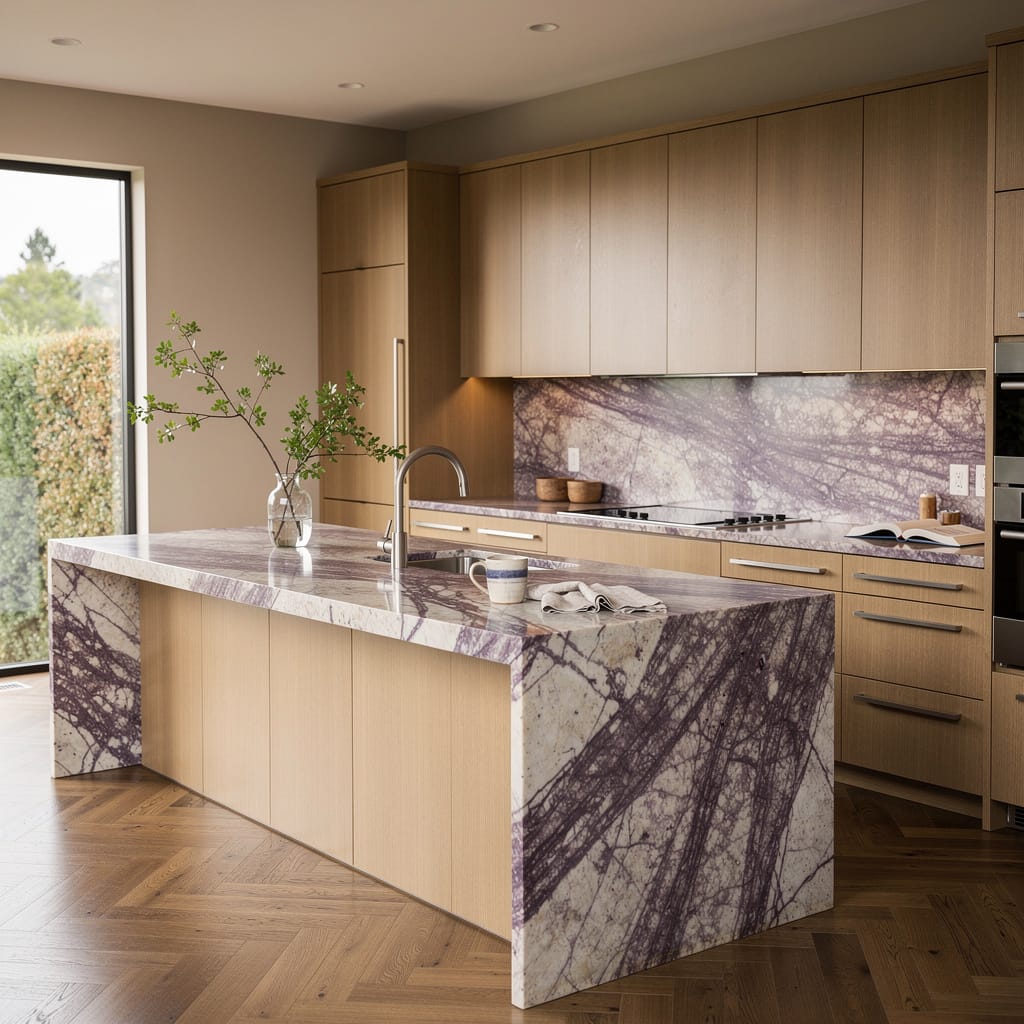
Why Kitchen Remodel Mistakes Cost Bay Area Homeowners Thousands More Than They Should
After completing over 116 kitchen and whole-home remodeling projects across Silicon Valley, I can tell you this with certainty: the most expensive kitchen remodel mistakes almost always happen before a single cabinet is installed. They happen during planning, budgeting, and decision-making — the phases most homeowners rush through because they're eager to see demolition day.
I'm Bar Benbenisty, founder of Barcci Builders (CA Contractor License #1086047), and our team has built kitchens from Los Gatos ranch homes to Palo Alto Eichlers to brand-new construction in Atherton. Every project teaches us something, and the patterns are clear — homeowners across the Bay Area make the same critical errors over and over again. These mistakes don't just blow budgets. They create kitchens that look beautiful on day one but frustrate you for years.
The average kitchen remodel cost in the Bay Area in 2026 ranges from $85,000 to $250,000+, depending on scope, materials, and structural changes. At those numbers, every misstep is measured in thousands — sometimes tens of thousands — of dollars. This guide breaks down the 10 most common kitchen renovation mistakes I see in Silicon Valley homes and gives you specific, actionable strategies to avoid each one.
Whether you're planning a full gut renovation in Saratoga or refreshing a galley kitchen in Campbell, these lessons will save you money, time, and regret.
What Are the Biggest Kitchen Remodel Mistakes to Avoid in 2026?
Let's walk through each mistake in detail. These are drawn directly from real projects our team has either built or been called in to fix after another contractor's work.
Mistake #1: Designing Around Trends Instead of Your Cooking Habits
The most common kitchen renovation mistake I see in 2026 is homeowners building a kitchen for Instagram instead of for how they actually cook. Yes, the 2026 kitchen design trends are beautiful — rift-cut white oak cabinets, fluted details, plaster range hoods, and warm earthy tones replacing the sterile all-white kitchen. But trends should inform aesthetics, not override function.
I recently met with a couple in Los Altos who wanted to eliminate upper cabinets entirely for open shelving. It looked stunning in the 3D rendering. But they cook elaborate Indian meals five nights a week. Within six months, every open shelf would be coated in oil residue, and they'd have lost 40% of their storage. We compromised: open shelving on one accent wall, full-height cabinets with integrated finger pulls (no visible hardware) on the working walls, and a dedicated spice pantry.
How to avoid it: Before choosing a single material, document your cooking habits for two weeks. How many burners do you use simultaneously? Where does prep happen? How much dry storage do you need? Our 3D design rendering service lets you walk through the kitchen virtually before any commitment.
Mistake #2: Underbudgeting for Bay Area Construction Costs
This might be the most financially painful of all kitchen remodel mistakes Bay Area homeowners make. National averages are meaningless here. A kitchen remodel that costs $45,000 in Austin costs $120,000+ in Silicon Valley, and that's before you factor in permitting delays, seismic requirements, and the elevated cost of skilled tradespeople in Santa Clara County and San Mateo County.
Here's what real kitchen remodel costs in the Bay Area look like in 2026:
| Kitchen Remodel Scope | Bay Area Cost Range (2026) | Typical Timeline |
|---|---|---|
| Cosmetic refresh (paint, hardware, countertops) | $25,000–$55,000 | 3–5 weeks |
| Mid-range remodel (new cabinets, countertops, appliances, flooring) | $85,000–$150,000 | 8–14 weeks |
| High-end full gut renovation | $150,000–$250,000+ | 14–22 weeks |
| Full gut with structural changes (walls removed, addition) | $200,000–$350,000+ | 18–30 weeks |
How to avoid it: Add a 15–20% contingency to every estimate. In older homes in Menlo Park or San Mateo, we regularly uncover knob-and-tube wiring, corroded galvanized plumbing, or inadequate subfloor when we open walls. These aren't surprises — they're statistical certainties in homes built before 1970.
Mistake #3: Choosing the Wrong Countertop Material for Your Lifestyle
Countertop selection generates more regret than any other material choice. Homeowners fall in love with Calacatta Viola marble at the stone yard, not realizing that natural marble etches from lemon juice and wine within weeks. Others choose budget quartz that looks artificial next to their custom cabinetry.
In 2026, we're seeing strong demand for Dekton Kreta and other sintered stone surfaces that mimic natural stone with virtually zero maintenance — no sealing, no staining, no etching. Quartzite (not quartz — they're completely different materials) offers the veining of marble with dramatically better durability. For our clients in Cupertino and Mountain View who entertain frequently, I often recommend Dekton for the island (where the abuse happens) and natural stone on the perimeter for visual warmth.
How to avoid it: Live with full-size material samples for a week. Put them on your existing counter. Spill coffee on them. Set a hot pan on them. Discover how they feel under your palms at 6 AM, not just under showroom lighting.
How Poor Layout Planning Ruins an Expensive Kitchen Renovation
Mistake #4: Ignoring the Work Triangle (or Blindly Following It)
The classic kitchen work triangle — sink, stove, refrigerator — was designed for single-cook kitchens in the 1940s. In 2026, Bay Area kitchens serve as offices, homework stations, entertaining hubs, and yes, cooking spaces. Blindly following the triangle without considering how your family actually uses the room is one of the most common kitchen layout mistakes I encounter.
That said, completely ignoring proximity relationships is equally disastrous. I've walked into kitchens where the refrigerator is 15 feet from the prep area, or where you have to walk past the stove — where someone might be carrying a pot of boiling water — to get from the sink to the pantry.
For most Silicon Valley families, I design around work zones instead of a triangle: a prep zone (sink + cutting area + waste), a cooking zone (range or induction cooktop + ventilation + spices), a cleaning zone (dishwasher + sink + drying area), and a storage zone (pantry + refrigerator). When these zones flow intuitively, the kitchen works.
How to avoid it: Mock your proposed layout with painter's tape on the floor. "Cook" a full meal by walking through every step. You'll discover problems in 15 minutes that would have haunted you for 15 years.
Mistake #5: Treating Lighting as an Afterthought
This is the kitchen remodel mistake that surprises homeowners most when I bring it up. You can spend $200,000 on a flawless kitchen, and if the lighting is wrong, it will look and feel wrong every single day. Bad lighting creates shadows on countertops where you're cutting, makes beautiful zellige tile backsplash look flat, and turns your warm-toned herringbone wood floors gray.
A proper kitchen lighting plan in 2026 includes four layers:
- Task lighting: Under-cabinet LED strips (3000K color temperature minimum — no blue-white LEDs in a warm kitchen)
- Ambient lighting: Recessed cans or flush mounts on dimmers, placed on a separate circuit from task lights
- Accent lighting: In-cabinet lighting for glass-front uppers, toe-kick lighting for night navigation, shelf lighting for display areas
- Decorative lighting: Pendants over the island — but sized correctly (we see too-small pendants on nearly every kitchen we're asked to fix)
Lighting should be planned at the same time as the electrical layout, not as a last-minute add-on when the drywall is already up. Our kitchen remodeling service includes a detailed lighting plan in every project scope because skipping this step is simply not an option for a kitchen that performs as well as it looks.
Mistake #6: Skimping on Ventilation
This is the invisible mistake. A recirculating microwave above the range might check a box on a spec sheet, but it does virtually nothing for indoor air quality. If you're investing in a 48-inch Thermador or Wolf range — or even a quality 30-inch induction cooktop — you need a properly ducted range hood vented to the exterior, sized to handle the CFM output of your cooking equipment.
In California, ventilation is also a code issue. Title 24 energy requirements in 2026 mandate specific ventilation standards, and Bay Area jurisdictions — particularly in Santa Clara County — enforce them rigorously during inspection. A plaster range hood (one of the most requested design elements this year) can absolutely meet code, but it needs to be engineered around a proper liner and ductwork, not treated as purely decorative.
How to avoid it: Specify your appliances before finalizing the hood design. Match CFM capacity to BTU output. Budget $2,500–$8,000 for a quality hood with proper ductwork — this is not the place to cut corners.
What Material and Appliance Choices Do Bay Area Homeowners Regret Most?
Mistake #7: Buying Appliances Last (or Buying Based on Brand Alone)
Here's a scenario I see every quarter: a homeowner designs their entire kitchen, orders custom cabinetry, and then goes appliance shopping. They discover the Miele dishwasher they want is 24⅛ inches wide, not 24. Or the Thermador column refrigerator they fell in love with requires a cabinet depth that doesn't match their layout. Or the induction cooktop needs a dedicated 50-amp circuit that wasn't planned in the electrical rough-in.
Appliances must be selected — model number specific, not just brand — during the design phase, before cabinets are ordered. Every appliance has unique rough-in dimensions, electrical requirements, ventilation clearances, and water line positions.
Equally important: don't buy on brand name alone. I've installed kitchens with $25,000 worth of Sub-Zero and Wolf appliances that the homeowners don't fully utilize, and I've installed kitchens with mid-range Bosch and KitchenAid appliances that perform perfectly for how the family cooks. Match the appliance to your cooking style and budget — not to what your neighbor installed.
Mistake #8: Choosing Flooring That Doesn't Hold Up to Kitchen Conditions
Kitchens are wet, high-traffic zones. Hardwood looks incredible — and herringbone white oak floors are one of the defining aesthetics of 2026 — but standard ¾-inch solid hardwood in a kitchen requires commitment to maintenance. Water pooling around the sink or dishwasher will damage unfinished seams. Engineered hardwood with a strong wear layer (4mm+) performs significantly better in kitchen environments.
We're also installing more microcement floors in modern kitchen projects, particularly in Hillsborough and Woodside contemporary homes. Microcement is seamless, waterproof, and works beautifully with the warm, organic aesthetic trending in 2026. It costs between $15 and $30 per square foot installed in the Bay Area, compared to $12–$22 for engineered hardwood.
How to avoid it: Choose kitchen flooring for durability first, aesthetics second. If you want the herringbone hardwood look, use engineered wood with a UV-cured polyurethane finish, not an oiled finish that requires re-oiling every six months.
Mistake #9: Not Planning Enough Storage (Especially Pantry Storage)
The number one post-remodel complaint I hear from Bay Area homeowners is insufficient storage. It happens because people focus on the beauty of the kitchen and underestimate how much stuff they actually own: small appliances, baking sheets, spice collections, kids' water bottles, bulk items from Costco.
A well-planned kitchen maximizes every cubic inch:
- Deep drawers instead of base cabinets with shelves (drawers provide 30% better access to stored items)
- Full-height pantry cabinets with pull-out trays — even a 15-inch-wide column adds enormous capacity
- Appliance garages with integrated finger pulls or push-to-open hardware for a clean façade
- Drawer dividers sized to your actual utensils, not generic off-the-shelf inserts
- Corner solutions: LeMans pull-outs or super Susans instead of dead corner space
How to avoid it: Inventory every item currently in your kitchen. Yes, every item. Then add 15% for future acquisitions. Design storage around this real data, not assumptions.
Why Skipping Permits Is the Most Expensive Kitchen Remodel Mistake in Silicon Valley
Mistake #10: Pulling No Permits (or Pulling Them Too Late)
I saved this for last because it's the mistake with the most severe consequences. In the Bay Area, any kitchen remodel that involves electrical, plumbing, or structural work requires permits from your local building department. In Santa Clara County, this includes the City of Los Gatos, City of Saratoga, City of Cupertino, and City of San Jose planning and building departments. In San Mateo County, cities like Menlo Park, Burlingame, and Hillsborough each have their own permitting processes and timelines.
Homeowners skip permits for two reasons: to save money (permits and plan review typically cost $3,000–$8,000 for a full kitchen remodel) or to save time (permit review can add 4–8 weeks before construction starts). Both reasons are short-sighted.
Unpermitted work creates serious problems:
- Insurance liability: If unpermitted electrical work causes a fire, your insurance company can deny the claim.
- Resale impact: Bay Area buyers and their agents scrutinize permit history. Unpermitted work either kills a sale or reduces the offer price by far more than the permits would have cost.
- Retroactive enforcement: If discovered, you'll be required to open walls for inspection, potentially tearing out finished work. I've seen homeowners spend $40,000+ fixing $5,000 worth of unpermitted work.
- Code compliance: Permits ensure your kitchen meets current California building code, including seismic bracing, fire-rated assemblies, and Title 24 energy standards.
At Barcci Builders, we pull permits on every project that requires them — no exceptions. It's not negotiable. Our team manages the entire permit process, from plan preparation to final inspection sign-off, because we believe a kitchen remodel done right is a kitchen remodel done legally.
If you're considering a comprehensive renovation that extends beyond the kitchen, our whole-house remodel service coordinates permits across multiple scopes — structural, electrical, plumbing, mechanical — so nothing falls through the cracks.
How to Choose the Right Kitchen Remodel Contractor in the Bay Area
Avoiding these 10 kitchen remodel mistakes starts with choosing the right partner. Here's what I'd tell a friend looking for a kitchen remodel contractor near me in Silicon Valley:
- Verify the license. California contractors must hold a valid CSLB license. Ours is #1086047 — you can look it up on the CSLB website.
- Ask for design-build capability. When your designer and builder are separate companies, communication gaps create mistakes. A design-build contractor manages both, which is why it's our model at Barcci Builders.
- Request 3D renderings before signing. Flat floor plans don't show scale, sightlines, or material relationships. Our 3D renderings allow you to stand inside your new kitchen before demolition begins.
- Check local project experience. A contractor who has built 10 kitchens in Los Gatos knows the local building department's expectations, common construction types in the area, and how to navigate HOA requirements if applicable.
- Get a detailed scope of work. "Kitchen remodel" is not a scope. Your contract should specify cabinet brand and line, countertop material and edge profile, exact appliance model numbers, paint colors, tile patterns, hardware finishes (unlacquered brass vs. satin nickel, for instance), and a line-item budget.
- Understand the timeline. A realistic kitchen remodel timeline for a full gut renovation in the Bay Area in 2026 is 14–22 weeks of construction, plus 4–8 weeks for design, permitting, and material procurement. Anyone promising a full kitchen in 6 weeks is either cutting corners or hasn't started ordering materials.
Our team specializes in luxury kitchen and home remodeling across the South Bay and Peninsula. If you're in the early planning stages and want to understand what your specific project would cost, we offer detailed consultations where we walk your space, discuss your goals, and provide realistic budgeting guidance — before you commit to anything.
A Quick Kitchen Remodel Checklist: What to Get Right Before Construction Starts
To summarize the actionable steps that prevent the most costly kitchen remodel mistakes in 2026, here's the pre-construction checklist our team uses with every client:
| Phase | Action Item | Why It Matters |
|---|---|---|
| Planning | Document cooking habits and storage inventory | Ensures the design matches how you actually live |
| Planning | Set a realistic budget with 15–20% contingency | Bay Area costs run 40–60% above national averages |
| Design | Select all appliances by model number before cabinet design | Prevents costly rework and delays |
| Design | Complete a 4-layer lighting plan | Lighting defines how the kitchen looks and functions daily |
| Design | Live with material samples for 7+ days | Showroom lighting deceives; kitchens live in natural and evening light |
| Design | Approve 3D renderings of every wall and sightline | Catches layout and proportion issues before they're built |
| Pre-Construction | Pull all required permits | Protects your investment, insurance, and resale value |
| Pre-Construction | Finalize a detailed scope of work and material schedule | Eliminates ambiguity and prevents change-order surprises |
| Pre-Construction | Establish a temporary kitchen setup | A 14–22 week remodel requires realistic daily-life planning |
Every kitchen remodel is a significant investment — financially, emotionally, and in the daily quality of your life. Get these fundamentals right, and the beautiful design decisions — the Calacatta Viola waterfall island, the zellige tile backsplash, the cedar cladding on the breakfast nook ceiling, the natural stone veneer accent wall — will have a rock-solid foundation beneath them.
If you're planning a kitchen remodel anywhere in the Bay Area — from San Francisco to San Jose — our team would be glad to help you avoid every mistake on this list and build a kitchen that performs as beautifully as it looks for decades to come.
Frequently Asked Questions
How much does a kitchen remodel cost in the Bay Area in 2026?
A kitchen remodel in the Bay Area in 2026 typically costs between $85,000 and $250,000+ depending on scope. A cosmetic refresh (new countertops, hardware, paint) runs $25,000–$55,000. A mid-range remodel with new cabinets, countertops, appliances, and flooring costs $85,000–$150,000. A high-end full gut renovation ranges from $150,000–$250,000+, and projects involving structural changes like wall removals or additions can reach $200,000–$350,000+. Bay Area construction costs run 40–60% above national averages due to labor rates, permitting requirements, and material logistics in Silicon Valley.
How long does a full kitchen remodel take in Silicon Valley?
A full gut kitchen renovation in Silicon Valley typically takes 14–22 weeks of active construction in 2026. However, you need to budget an additional 4–8 weeks before construction for design, permitting, and material procurement. Countertop fabrication alone can take 3–4 weeks after templating. Custom cabinetry takes 6–10 weeks from order to delivery. Total timeline from first design meeting to cooking your first meal is realistically 6–8 months. Cosmetic refreshes are much faster at 3–5 weeks.
Do I need a permit for a kitchen remodel in Los Gatos or Santa Clara County?
Yes, any kitchen remodel in Los Gatos or Santa Clara County that involves electrical work, plumbing changes, gas line modifications, or structural alterations (like removing a wall) requires building permits. Even replacing an electric panel or moving a single outlet technically requires a permit. The City of Los Gatos Building Department reviews plans and conducts inspections at key stages. Permit costs for a full kitchen remodel typically run $3,000–$8,000 including plan review. Skipping permits can void your homeowner's insurance, reduce your resale value, and result in costly retroactive enforcement if discovered.
What kitchen countertop is best for Bay Area homes in 2026?
The best kitchen countertop for Bay Area homes in 2026 depends on your lifestyle. Dekton (a sintered stone surface) is gaining major popularity for its virtually zero maintenance — it resists staining, etching, heat, and scratching. Dekton Kreta is one of the most requested colors. Natural quartzite offers the veining beauty of marble with much better durability. Calacatta Viola marble is stunning but etches and stains, so it requires regular sealing and tolerance for patina. Quartz (engineered stone) remains a solid mid-range option. In the Bay Area, countertop installation costs between $80–$200+ per square foot depending on the material and edge profile, including fabrication.
What are the most popular kitchen design trends in Silicon Valley for 2026?
The top kitchen design trends in Silicon Valley for 2026 include rift-cut white oak cabinetry, fluted details on islands and panels, plaster range hoods, hand-applied plaster walls, integrated finger pulls (no visible hardware), unlacquered brass fixtures, Dekton and quartzite countertops, zellige tile backsplashes, microcement flooring, herringbone wood floor patterns, cedar cladding on accent ceilings, natural stone veneer feature walls, organic shapes in island design, induction cooktops, and warm earthy tones replacing the all-white kitchen aesthetic. The overall direction is toward warmth, texture, and natural materials rather than the sterile, cool-toned kitchens of 5 years ago.
Should I hire a design-build contractor or separate designer and contractor for my kitchen remodel?
For most Bay Area kitchen remodels, a design-build contractor is the better choice. When the same firm handles both design and construction, there's seamless communication between the person drawing the plans and the team building them. This eliminates the finger-pointing that often occurs when a designer specifies something the builder can't execute within budget. Design-build also typically costs 10–15% less overall because there's no redundant project management. However, if you already have an architect with a completed kitchen design, hiring a general contractor to execute those plans is perfectly valid. The key is ensuring whoever builds your kitchen has local experience — a contractor who knows Santa Clara County and San Mateo County permitting, local building codes, and Bay Area subcontractor networks will deliver a smoother project.
What kitchen remodel mistakes decrease home value in the Bay Area?
The kitchen remodel mistakes that most commonly decrease Bay Area home value include: unpermitted work (this is the single biggest value killer — Bay Area buyers and agents check permit records), over-customizing for niche tastes (extremely bold tile patterns or unconventional layouts that don't appeal to broad buyers), skimping on ventilation (code violations create sale complications), installing builder-grade materials in a high-end home (mismatched quality stands out), poor lighting design (dark kitchens feel smaller and less inviting), and layouts that block natural flow between the kitchen and living spaces. Conversely, the remodels that add the most value feature timeless materials, professional lighting, legal permits, quality appliances, and smart storage solutions.
Is an induction cooktop worth it for a kitchen remodel in California?
Induction cooktops are increasingly worth it for California kitchen remodels in 2026, especially given the state's direction toward electrification. Many Bay Area cities — including San Jose, Mountain View, and several Peninsula communities — have adopted reach codes that restrict or ban new gas connections in renovations. Induction is also faster than gas (boils water in roughly half the time), more energy efficient, safer (the surface doesn't get hot), and easier to clean. High-end models from Miele, Thermador, and Bosch offer precision temperature control that rivals gas. The main considerations are cost ($1,500–$5,000 for quality units), the need for a dedicated 240V/50A circuit, and compatibility with your cookware (induction requires magnetic-bottomed pots and pans). For most Silicon Valley homeowners, induction is the right choice for both current performance and future resale value.